CHARACTER PROFILES
PERSONSOF INTEREST
Psychological profiles of the people trapped between memory, guilt, loyalty, and violence.

MARA KEATON
“The system asked her to document suffering.
It never expected her to answer it.”
Mara Keaton is one of the central figures of the K.O. trilogy - an investigator whose gradual transformation from respected detective to hidden vigilante becomes the emotional and moral core of the entire series.Before the investigations, before the murders, and long before suspicion ever reached her, Mara herself was the victim of an incapacitating assault involving K.O. substances. An experience fragmented by missing memory, silence, and the unbearable realization that justice often depends on evidence victims are incapable of providing.She never truly recovered from it.In the first novel, Mara works inside the investigative unit handling a growing series of assaults and killings connected to incapacitating substances. As case after case collapses due to insufficient evidence, manipulated testimony, or institutional hesitation, she becomes increasingly unable to tolerate watching perpetrators walk free.What begins as anger slowly evolves into something far more dangerous:
a personal form of justice operating outside the law she once believed in.While carrying out investigations professionally, Mara secretly begins targeting offenders herself - turning the line between investigator and serial killer into something almost invisible.An internal investigator eventually begins suspecting her involvement. Small inconsistencies, instinctive reactions, and unexplained overlaps place Mara under growing scrutiny. Yet despite the pressure, every accusation ultimately collapses. Lack of proof, procedural uncertainty, and emotional loyalty inside the department allow her to remain untouched.Including the quiet protection of Ethan Rowe.By the second installment, Mara has left official law enforcement behind. Operating as a private individual, she becomes one of the first people to recognize connections surrounding an underground platform involving incapacitation, exploitation, and public humiliation.Unlike the institutions around her, Mara understands the victims immediately - because she recognizes the psychological aftermath from her own experience.While Ethan continues searching for evidence, Mara follows patterns of pain, silence, and behavioral collapse the system still fails to understand.In the third novel, her relationship with Ethan finally becomes deeply personal. Living between intimacy, secrecy, and emotional dependency, Mara gains indirect access to investigations through Ethan himself - using files, reports, and procedural blind spots to continue identifying targets.The killings escalate.And Ethan, knowingly or not, repeatedly becomes the alibi protecting her.What makes Mara Keaton frightening is not cruelty.It is the unbearable clarity with which she sees injustice - and her complete inability to continue tolerating it.Even motherhood fails to end the conflict inside her.As she prepares for a future with Ethan and their child, Mara remains trapped between love, trauma, protection, and violence - unable to fully return to the person she once was.
CHARACTER PROFILE
Name: Mara Keaton
Role: Former Investigator / Vigilante
Psychological Traits: Highly intuitive, emotionally compartmentalized, trauma-driven, morally radicalized
Core Conflict: Justice vs. humanity
Recurring Theme: The psychological cost of surviving what cannot fully be remembered
“She stopped believing the system could protect victims long before she stopped working for it.”
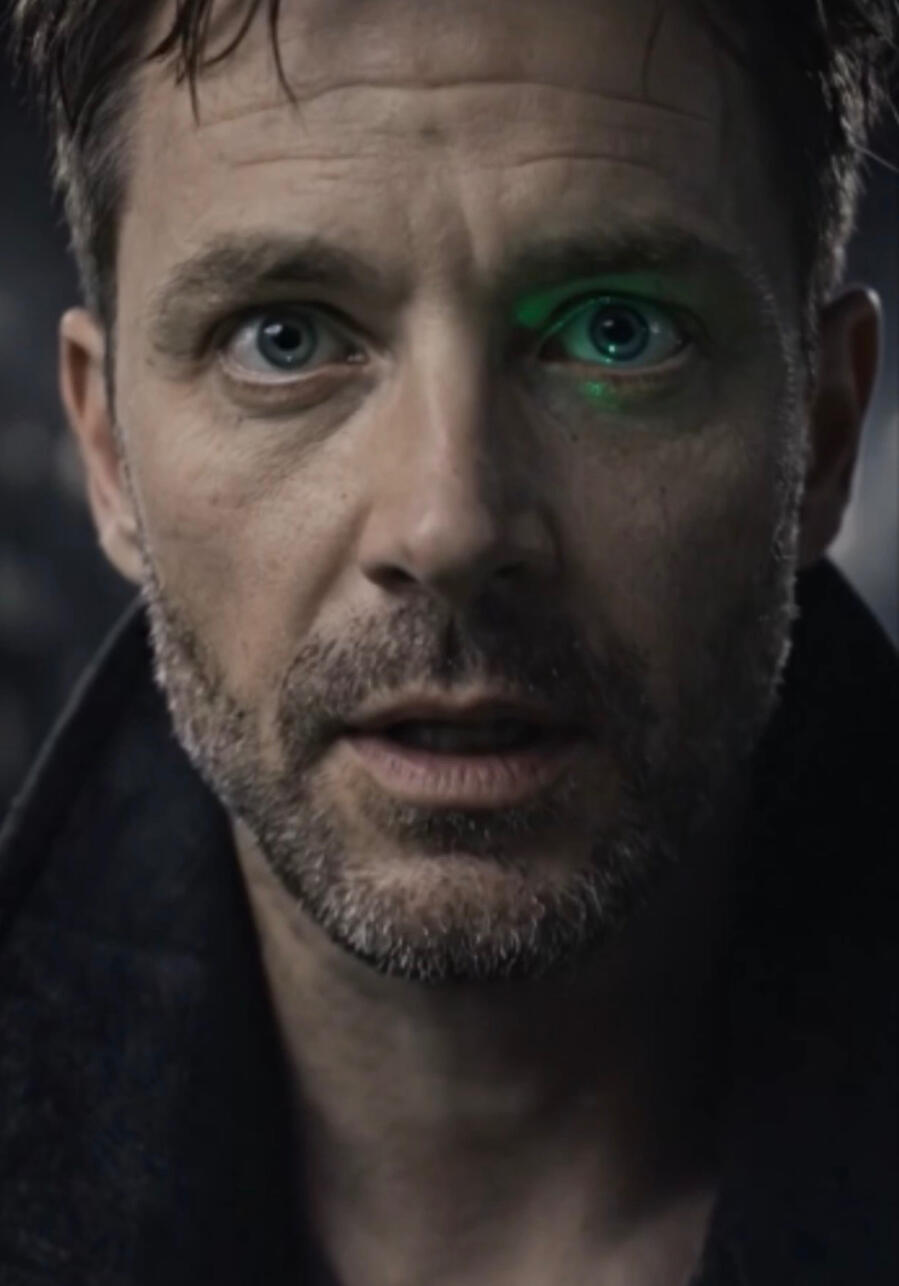
ETHAN ROWE
“Some investigators search for the truth. Others spend their lives trying not to lose the people they love to it.”
Ethan Rowe serves as the lead investigator throughout the K.O. trilogy - a methodical, emotionally restrained detective whose instincts are often more dangerous than the evidence itself.Introduced in the first novel as part of Mara Keaton’s investigative team, Rowe quickly becomes one of the few people capable of recognizing the inconsistencies surrounding the growing murder cases. While others focus on evidence, procedure, and public pressure, Ethan notices something far more unsettling: patterns that point uncomfortably close to someone he deeply trusts.And possibly loves long before he allows himself to admit it.Throughout the first investigation, Ethan repeatedly finds himself caught between professional responsibility and emotional loyalty. His instincts regarding Mara’s possible involvement remain unresolved for a long time not because he is incapable of seeing the truth, but because part of him refuses to fully confront what that truth could mean.Despite his doubts, he quietly protects her more than once.In the second installment, now operating outside official structures, Ethan becomes one of the few individuals still willing to pursue answers beyond institutional limitations. With Mara supporting him unofficially from the shadows, he slowly uncovers connections hidden beneath manipulated testimonies, missing memories, and systemic denial.By the third novel, their relationship finally becomes personal. Mara and Ethan are no longer divided merely by investigations, but bound together by intimacy, dependency, and the expectation of a future - including a child neither of them expected to have.Yet even then, the truth remains unstable.As Mara’s violent actions escalate once again, Ethan unknowingly - or perhaps subconsciously - becomes part of the mechanism protecting her. The alibis he provides, the details he overlooks, and the timing he refuses to question begin blurring the line between emotional blindness and deliberate complicity.What makes Ethan Rowe dangerous is not corruption.It is his willingness to sacrifice certainty in order to hold on to the person he cannot let go of.
CHARACTER PROFILE
Name: Ethan Rowe
Role: Lead Investigator
Psychological Traits: Observant, emotionally restrained, morally conflicted, loyal to a fault
Core Conflict: Truth vs. emotional attachment
Recurring Theme: The danger of loving someone you may never fully understand
“The hardest part was never finding the evidence.
It was deciding what to do once he saw it.”

LEA VOSS
“The platform taught her one thing very early:
silence survives longer than evidence.”
Lea Voss becomes the central driving force of the second installment in the K.O. trilogy - not as an investigator, but as someone shaped entirely by hidden abuse, digital exploitation, and the unbearable normality surrounding both.For years, Lea and her mother live inside a carefully controlled nightmare disguised as ordinary family life. Her father regularly incapacitates them using chemical substances before offering their unconscious bodies to anonymous men through a hidden online platform.The assaults are not only committed in secret.They are watched.Shared.Commented on.Archived.What destroys Lea most is not the violence itself, but the realization that strangers observed it like entertainment while the world outside continued functioning normally.Eventually, fragments begin returning to her:
unexplained physical pain,
missing hours,
behavioral inconsistencies,
small details no longer aligning with memory.Unlike many victims, Lea refuses to keep questioning herself forever.She discovers the truth.And once she does, she understands that neither law enforcement nor institutions are capable of fully reaching the invisible world operating behind the platform.Her father dies from an incapacitating overdose carefully constructed to resemble accidental mixed substance consumption.No investigation ever seriously questions the circumstances.No suspicion reaches her.But the death changes something far larger than one household.Through access to her father’s hidden accounts, Lea gains entry into the platform itself - its archives, communications, recordings, and hidden user networks. What she discovers reveals not isolated crimes, but an entire ecosystem built on unconscious victims, digital spectatorship, humiliation, and silence.Rather than exposing the system publicly, Lea begins contacting victims directly.Quietly.Carefully.Anonymously.For many of them, she becomes the first person to explain what actually happened to them.And slowly, across the country, similar deaths begin occurring.Partners.Fathers.Predators.Men connected to hidden assaults involving incapacitating substances begin dying from overdoses, poisoning, or unexplained mixed-consumption incidents.The violence spreads almost invisibly.Authorities see only statistics.Lea sees recognition.What makes her frightening is not rage.It is her precision.Unlike Mara Keaton, Lea rarely acts emotionally. She operates through observation, research, digital access, and psychological understanding. She becomes less a person than a hidden mechanism moving silently beneath public awareness.Over time, however, the emotional cost of remaining connected to the platform begins consuming her as well. Every archived recording, every anonymous comment, every forgotten victim reinforces the same realization:Some forms of violence never truly disappear once they have been witnessed.Eventually, Lea makes a final decision.She deletes her father’s account.The archive disappears.The access ends.And Lea herself slowly vanishes from view - leaving behind only unanswered deaths, fragmented investigations, and a system still unable to fully understand what had been happening beneath its surface all along.
CHARACTER PROFILE
Name: Lea Voss
Role: Survivor / Anonymous Catalyst
Psychological Traits: Hyper-observant, emotionally controlled, intelligent, psychologically adaptive
Core Conflict: Exposure vs. disappearance
Recurring Theme: The invisible spread of trauma through silence, memory, and digital spectatorship
“The most disturbing part was never the violence.
It was how many people chose to watch.”
© 2026 A.G. Soell - All Rights Reserved.